Forster Solar and Lighting
EV Charger Installations on the Mid North Coast
- Locally Owned
- Modern Showroom
- Residential & Commercial
- 10+ Years' Experience
Contact Us
Contact Us
Thank you for contacting Forster Solar and Lighting.
We will get back to you as soon as possible.
Oops, there was an error sending your message.
Please try again later.
Mid North Coast EV Charger Installations
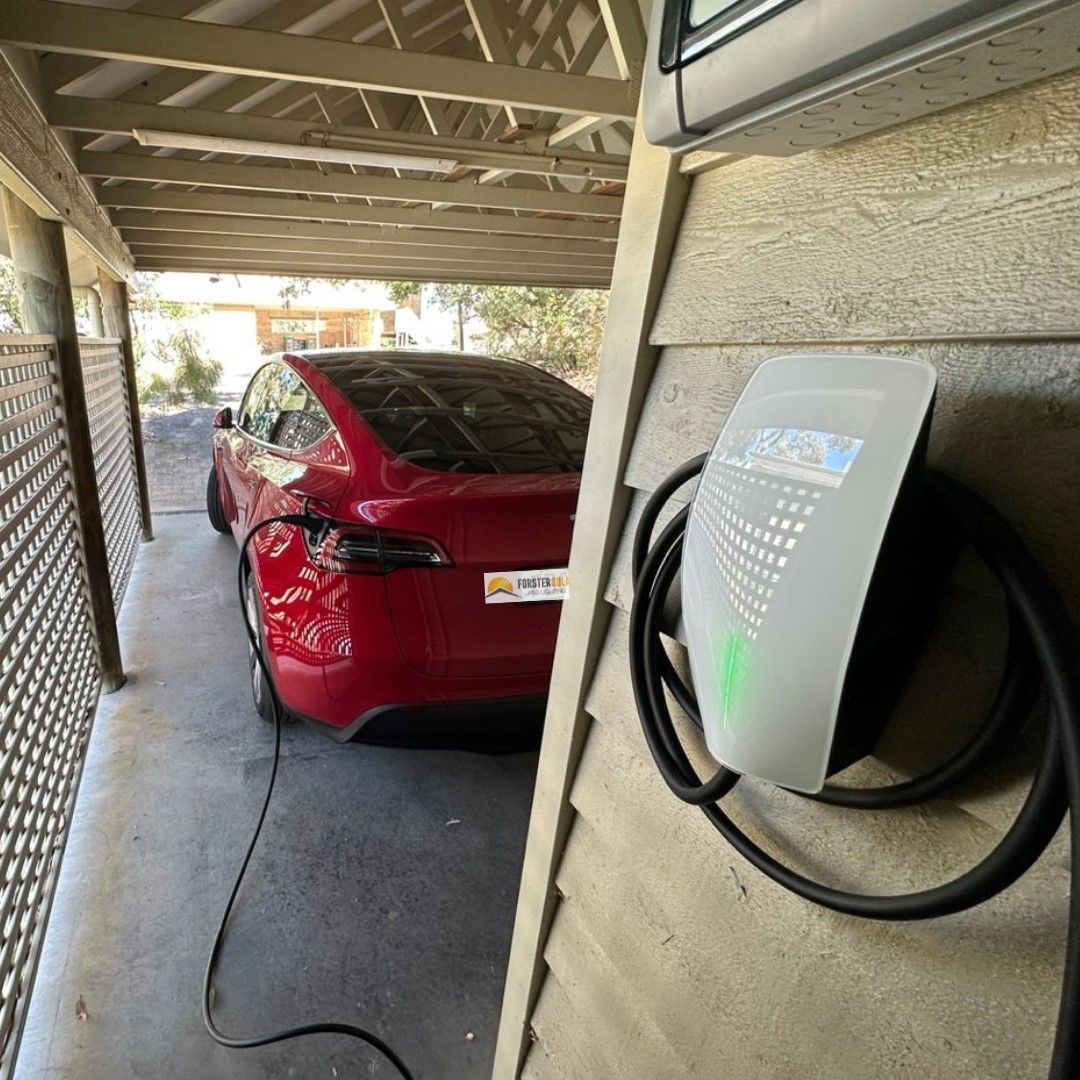
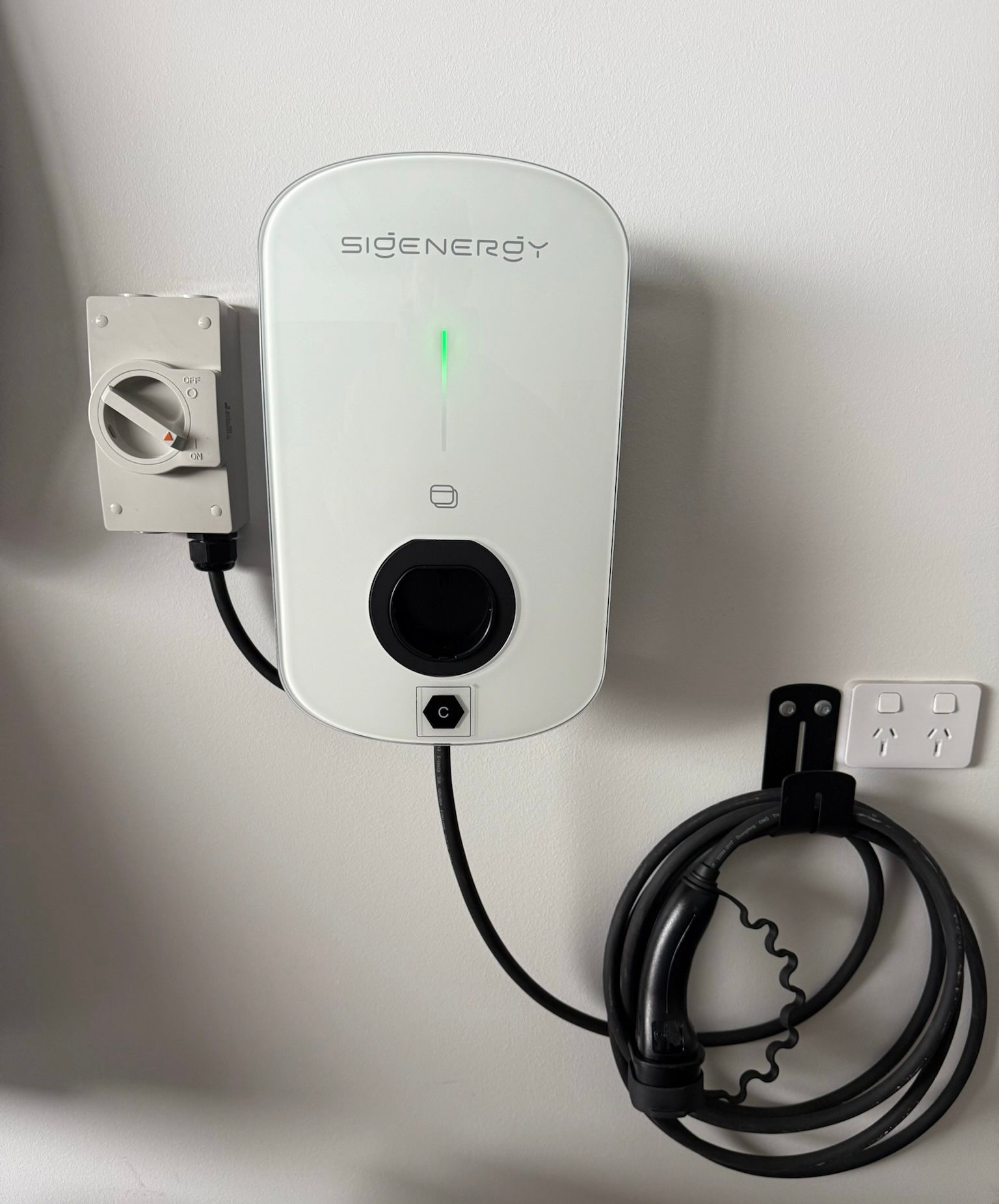
At Forster Solar and Lighting, we offer EV charger installation for residential clients throughout the Mid North Coast. Our process involves thoroughly evaluating the home's electrical infrastructure to ascertain its compatibility with EV charging needs. We assist customers in selecting a charger that aligns perfectly with their electric vehicle model.
The installation process encompasses setting up a dedicated circuit and carefully mounting the charger, following which we handle the acquisition of all required permits. Finally, we conduct comprehensive testing to guarantee the installed charger operates flawlessly, ensuring our clients can charge their electric vehicles efficiently and safely.
Call
(02) 6554 8776 to book an EV charger installation. Our service areas include Forster, Tuncurry, Hallidays Point and Nabiac.
EV Charger Benefits
Electric vehicles (EVs) offer notable environmental benefits by emitting lower pollutants than conventional cars, aiding in the fight against air pollution and climate change. They also provide cost advantages, as they're typically cheaper to fuel and maintain. The convenience of home charging stations eradicates the need for frequent visits to public charging facilities, adding a layer of flexibility for EV users.
Additionally, the presence of an EV charger can enhance a property's appeal, potentially boosting its market value. Importantly, EVs facilitate the use of renewable energy sources for charging, contributing to the global shift towards sustainable energy solutions.
Can any electrician install an EV charger, or do they need special training?
While any licensed electrician can legally install an EV charger, it’s best to choose someone with specific experience or accreditation in EV charger installations. These systems involve higher current loads, integration with home switchboards, and sometimes coordination with solar or battery systems. Installers need to ensure proper earthing, load balancing and compliance with Australian electrical standards. Choosing an experienced installer reduces the risk of faults, inefficiencies, or voided warranties.
How do I know if my home’s electrical system can support an EV charger?
A pre-installation inspection will determine whether your current switchboard and wiring can handle the additional load of an EV charger. In some cases, a switchboard upgrade or dedicated circuit is needed to safely support charging without overloading the system. Single-phase homes can still accommodate most Level 2 chargers, though charging speed may be slower than in three-phase setups. A licensed electrician can advise on the best charger type and setup for your property.
What’s the difference between single-phase and three-phase EV charging?
Single-phase EV chargers typically offer charging speeds between 3.6kW and 7.2kW, suitable for most residential homes and overnight charging. Three-phase chargers deliver faster speeds—up to 22kW—making them ideal for larger properties, commercial use, or households with high energy demands. The type of supply at your property will determine which charger is compatible. If you’re unsure, your installer can check your meter board and recommend the most efficient option.


